
GLP-1 Nutrition Counseling in Austin, TX
By Anne Wilfong, RDN, LD, CEDS | Wilfong Nutrition LLC | Austin, Texas
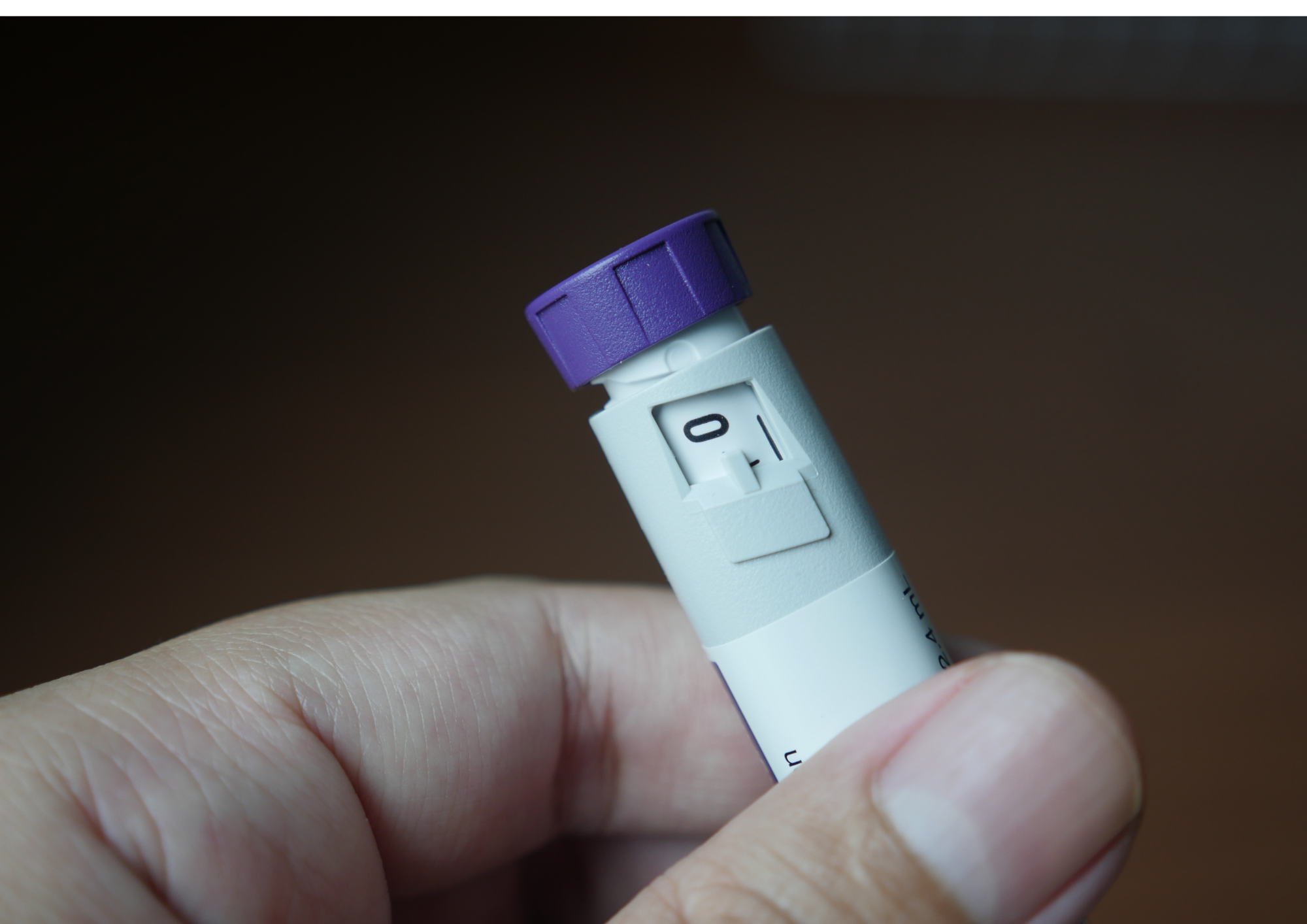
If you are on semaglutide or tirzepatide, sold as Ozempic, Wegovy, Mounjaro, or Zepbound, and looking for nutrition support that goes beyond a generic meal plan, you are not alone in finding it hard to come by. Your prescribing provider plays an essential role in your care, and nutrition is one piece of the picture that often calls for dedicated time and specialized support beyond a typical medical visit. At Wilfong Nutrition in Austin, Texas, our team of Registered Dietitian Nutritionists works with people on these medications from a health-centered approach, focusing on how you feel, how your body is functioning, and the behaviors that support your health long term.

What GLP-1 Medications Actually Do to Your Nutrition
Most people start a GLP-1 medication expecting appetite changes. What catches them off guard is everything else.
Fullness arrives faster and more strongly than anticipated. Thirst signals often quiet down alongside hunger. Some days eating feels genuinely difficult. And the mental and emotional relationship with food shifts in ways that are hard to predict and harder to prepare for. Many people describe this as their "food noise" quieting down, the constant background thoughts about food becoming noticeably softer.
These medications were originally developed and approved for type 2 diabetes management. Their effects on appetite and body weight were recognized early in their development and led to separate FDA approvals for weight management at higher doses. Understanding what is happening in your body, and what your body needs as a result, is where nutrition support comes in.
The nutritional consequences of these changes are real:
Protein intake drops when appetite is suppressed
Hydration suffers because thirst signals may be blunted the same way hunger is
Micronutrient deficiencies can develop quietly over time when food intake is consistently reduced
Side effects like nausea, constipation, reflux, and fatigue are often nutrition-responsive but rarely addressed with specific guidance. Download our free side effect guide.
Not sure if your intake is actually meeting your needs? Download our free "Am I Eating Enough?" guide to check for the signs.
What the Research Shows
The nutrition risks of GLP-1 medications are real, and they are an area where dedicated nutrition support can make a meaningful difference alongside your medical care.
In one large 2026 review of more than 480,000 adults on GLP-1 medications, the most common nutrition issue was low vitamin D, and it became more common the longer people were on the medication, affecting about 1 in 13 users at six months and roughly 1 in 7 by a year. Other research shows these medications can cut how much people eat by anywhere from 16 to 39%. When you are eating less, the nutrient density of what you do eat matters more, not less.
Nutrition support, though, is often missing from the conversation. Research in this area also remains limited: very few studies of people on GLP-1 medications have involved a dietitian at all, and most never looked closely at whether people were getting enough protein or key nutrients.
What GLP-1 Nutrition Counseling Looks Like at Wilfong Nutrition
We see clients via telehealth across Texas, and in person at our Austin, Texas office at 3939 Bee Caves Road, Bldg A, Suite 200 B
Our approach is health-centered and behavior-focused. We work with people navigating the physical and emotional changes that come with GLP-1 medications, without judgment, restriction, or a one-size-fits-all protocol. We pay attention to the full picture, not just protein and calories.
A first appointment typically covers your health history, current nutrition patterns, and side effect experience. From there we work with you on nutrition strategies that reflect where you actually are.
Follow-up appointments are where the real work happens. We adjust based on how you are feeling, review labs from a nutrition standpoint, troubleshoot side effects as they arise, and help you build habits one at a time.
We are in-network with Blue Cross Blue Shield, Aetna, Cigna, United, and Curative. Coverage depends on your specific plan. Contact us and we can help you verify your benefits before your first appointment.
Who GLP-1 Nutrition Counseling Is For
You don't need to be struggling to benefit from working with a dietitian on a GLP-1 medication. Many of our clients come to us because they want to be intentional about their nutrition from the start, before deficiencies develop or side effects become overwhelming.
GLP-1 nutrition counseling at Wilfong Nutrition is a good fit if:
You are newly starting semaglutide or tirzepatide and want to understand what your body needs
You are experiencing side effects like nausea, fatigue, constipation, or hair changes and want nutrition-specific guidance
You want to eat in a way that supports your energy, labs, and how you feel day to day
You want support that is health-centered and focused on how you feel
You are considering pausing or stopping your medication and want to feel prepared

Common Questions About GLP-1 Nutrition Counseling
Do I need to be struggling with side effects to benefit? No. Many clients come to us before side effects become a problem. Being proactive about protein intake, hydration, and nutrient density from the start makes the first few months significantly more manageable. Download our free side effect guide.
How do I get enough protein on Ozempic or Wegovy? When appetite is suppressed, getting enough protein takes a different strategy than it did before. We help you find approaches that work with a smaller appetite, front-loading nutrient-dense foods earlier in the day and adjusting as your dose changes, rather than forcing volume you can't comfortably eat. For quick, protein-forward ideas, download our free snack guide.
Will I be told what to eat or given a meal plan? No. Our approach is built around your food preferences, your schedule, and how your body is responding to the medication. We provide a framework and practical strategies, not rules.
What if I am not in Austin? We offer telehealth nutrition counseling for clients across Texas, with no difference in the quality of care.
How do I know if my insurance covers it? We are in-network with Blue Cross Blue Shield, Aetna, Cigna, United, and Curative. Get in touch and we can help you verify your benefits before your first appointment.
Related Reading
Ready to Get Support?
Texas: Get in touch to ask about availability and insurance coverage.
Everywhere: Get the full Wilfong Nutrition GLP-1 Guide.